Blog · 20 October 2026
How to become an SPMU artist
From your first course to your first paying client, here's a practical route into a career in semi-permanent makeup.
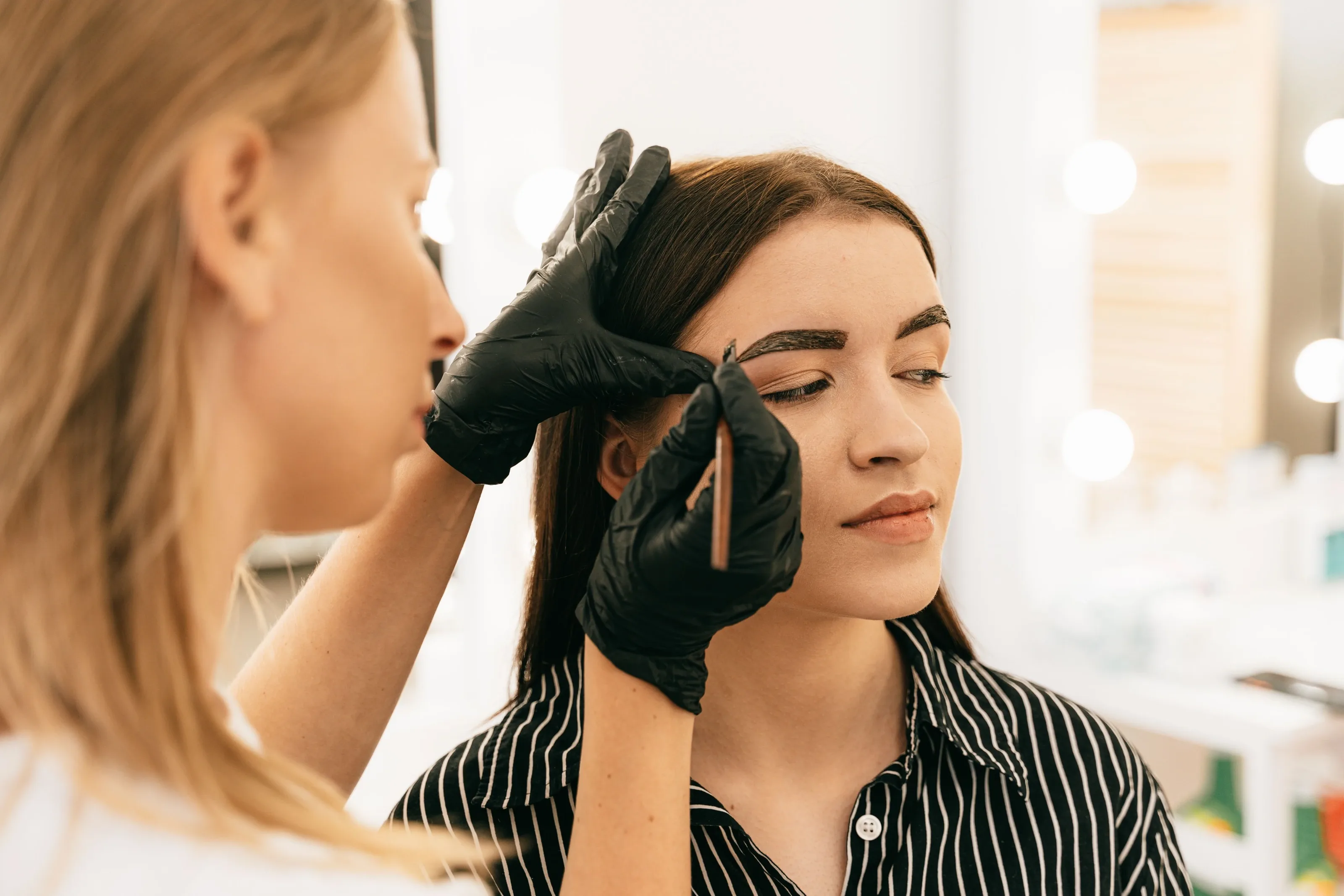
Semi-permanent makeup (SPMU) is a rewarding career for people with a creative eye and a steady hand. A good brow, lip or eyeliner treatment saves clients time every morning and boosts their confidence, and results last long enough that happy clients return for top-ups. If you’re thinking of becoming an SPMU artist, here’s a step-by-step route from your first course to your first paying client.
Step 1: Choose your training route
There are two broad routes into SPMU training.
Regulated qualifications. VTCT Level 4 courses, such as Microblading and Micropigmentation, lead to nationally recognised qualifications. They run over several days and include theory, practical work and assessment. Many students take the online VTCT Level 3 Anatomy and Physiology award first, as it provides the knowledge of skin and body systems that Level 4 builds on.
Fast-track courses. Shorter courses, such as the two-day NB1 Microblading course, get you started quickly and lead to a CPD and insurance-approved certificate.
Think about where you want to work. Some salons, clinics and insurers prefer or require regulated qualifications, so it’s worth checking before you choose.
Step 2: Learn the foundations
Whichever route you take, your training should cover:
- Skin anatomy: how skin is structured and how it heals.
- Hygiene and infection control: essential when you’re breaking the skin.
- Consultation: assessing clients, checking for contraindications and managing expectations.
- Colour theory: choosing pigments that suit each client’s skin tone and undertone, and heal to the right colour.
- Design: mapping brows, lips and eyeliner to suit each face.
- Aftercare: helping clients get the best healed result.
Practice on live models is one of the most valuable parts of any course. Look for training where models are provided, so you leave with real experience and photos of your work.
Step 3: Check your local licensing
In the UK, semi-permanent makeup involves breaking the skin, so it’s usually regulated by your local council. Depending on where you work, you may need to register yourself and your premises, or hold a special treatment licence, before you can see clients. Rules vary between areas, and your premises may be inspected.
Contact your local council’s environmental health team early, explain the treatments you plan to offer, and ask exactly what you need. Your training provider can also point you in the right direction.
Step 4: Arrange insurance
Professional insurance protects you if a client claims a treatment caused a problem. Insurers will usually ask to see your certificates, and will only cover the treatments you’re trained in. Make sure your policy names each treatment you offer, and update it as you add new skills.
Step 5: Build your kit
Your course kit gets you started, but you’ll need a reliable supply of pigments, blades or needles and aftercare products. Buy from reputable trade suppliers, keep records of the products and batch numbers you use, and never cut corners on single-use items.
Step 6: Practise and build a portfolio
Before charging full price, practise on models, friends and family. Photograph every treatment straight after, and again once healed, in consistent lighting. A portfolio of healed results is one of the most persuasive things you can show a new client.
Step 7: Find your first clients
- Share your work on social media. Before and after photos and short videos of treatments perform well.
- Ask happy clients for reviews, on Google and social media.
- Offer top-ups. Book each client’s colour boost in advance so they keep coming back.
- Partner with local salons that don’t offer SPMU and could refer clients to you.
Step 8: Keep learning
Once you’re confident with brows, adding new treatments lets you serve more clients. Popular next steps include lip blush, eyeliner, scalp micropigmentation and colour correction. Experienced artists can go on to specialist work such as Level 5 nipple and areola tattooing.
Common mistakes to avoid
- Rushing to charge full price. Build a portfolio of healed results first.
- Skipping the consultation. A thorough consultation prevents most problems before they start.
- Using cheap pigments or tools. Quality products heal more predictably and protect your reputation.
- Forgetting the paperwork. Keep consent forms, aftercare instructions and treatment records for every client.
Ready to start?
Every course on our home page is taught by LV College in London and Manchester. Choose a course and book online, or send a WhatsApp message to ask which route suits you.
Ready to start your SPMU career?
Book a course with LV College, or send a WhatsApp message to ask about dates, models and payment plans.